Listening Across the Borders
Can listening reach across borders that politics and war have hardened?
Listening Across the Borders is an intercultural project I initiated in October 2023, in the days after the attacks of 7 October and at the start of the war in Gaza. The conflict was deepening polarisation far beyond the region: in our societies, on university campuses and in artistic circles.
The project asked how identities resonate in sound, and whether listening can open a space that is not ruled by fixed narratives. It brought together artists from Israel, Iran, Switzerland and other European countries, with contributions sent from Jerusalem, Tel Aviv and Bethlehem.
Fifteen months of preparation led to a two-day artistic residency and a public listening event at Toni-Areal, the building of Zurich University of the Arts, in January 2025.
- Concept, direction
- Diego Kohn: concept, artistic direction and production, artist research and interviews, workshops, performance
- Residency
- 3–4 January 2025, Aktionsraum, Toni-Areal, Zurich
- Public event
- 4 January 2025, 19:00
- Organised by
- Verein Galut, Zurich
- Supported by
- Kanton Zürich, Fachstelle Kultur · Kanton Zürich, Fachstelle Integration · ZHdK Dossier Internationales
Where it began
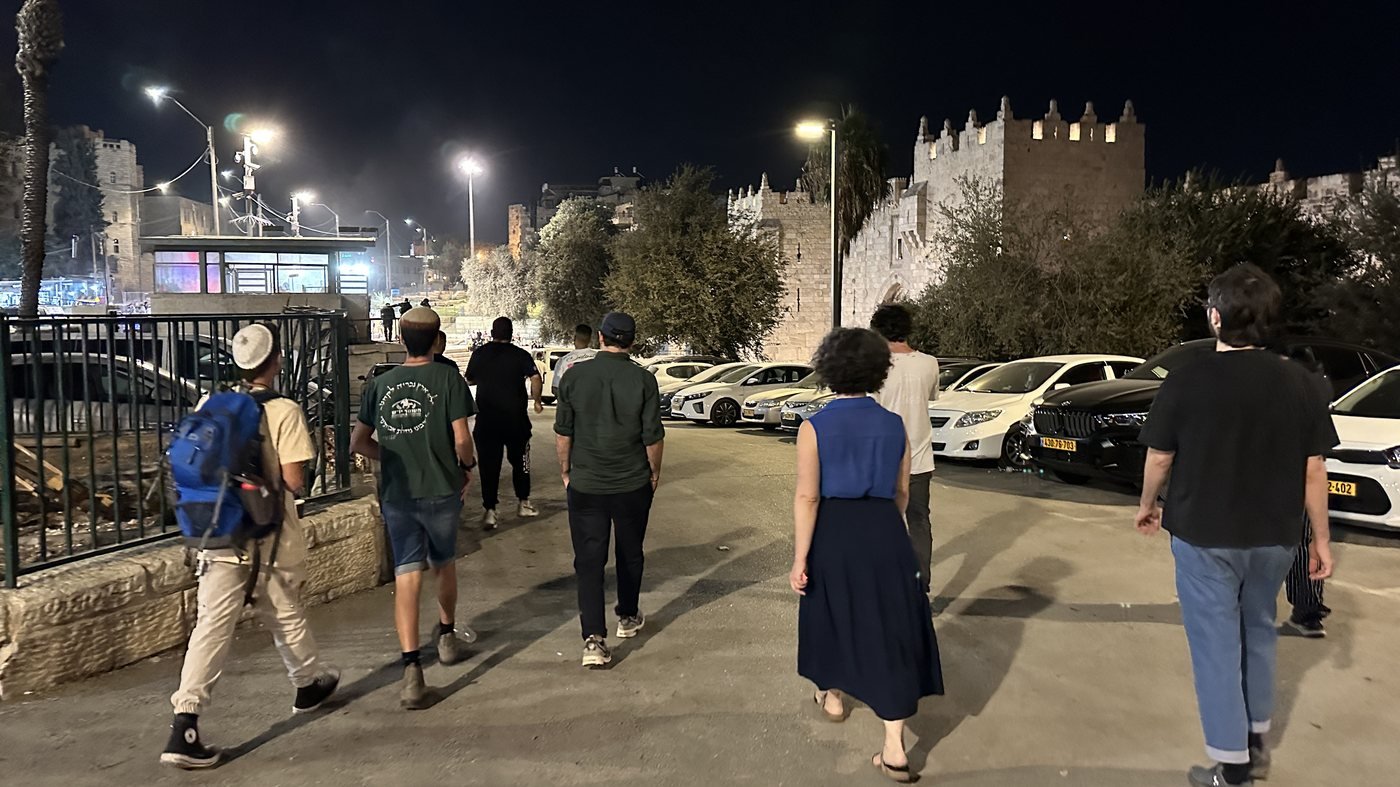
On 5 October 2023 I led a workshop in Jerusalem, organised by the sound art collective SEDEK at the Musrara School of Art. We worked in the studio and then walked out into the streets at night, some of us blindfolded, listening to the city.
It was the first of a series of workshops and concerts planned in Jerusalem and Tel Aviv, including Bar-Ilan University and the Israel Arts and Science Academy. Two days later came 7 October. I was there. All activities were cancelled.
The project was born from that experience: from the conviction that listening, as an artistic and shared practice, can still create a space for encounter when almost everything else is pulling people apart.
Fifteen months of invitations
The residency in Zurich was only the visible part. Beneath it lay more than forty conversations and interviews with artists, and a project that had to be redesigned again and again.
The first idea was to bring together Israeli and Palestinian artists. As the war unfolded, this became impossible. I widened the search to artists from neighbouring Arab countries, and then to artists of Arab descent living in Europe. Many declined as soon as they heard that Israeli artists were involved, often without asking who they were. Some accepted and later withdrew under pressure from their surroundings. Legal restrictions in some countries made any collaboration impossible. Israeli artists, too, hesitated or stepped back, some out of fear.
These absences are part of the project’s story. They show how fragile dialogue is in times of war, and why spaces for listening are needed.
“We did not try to solve the conflict. We created a pause. A space where listening was possible. And that, already, is deeply political.”
Diego Kohn, ELIA Dialogue Series, 2025
The residency
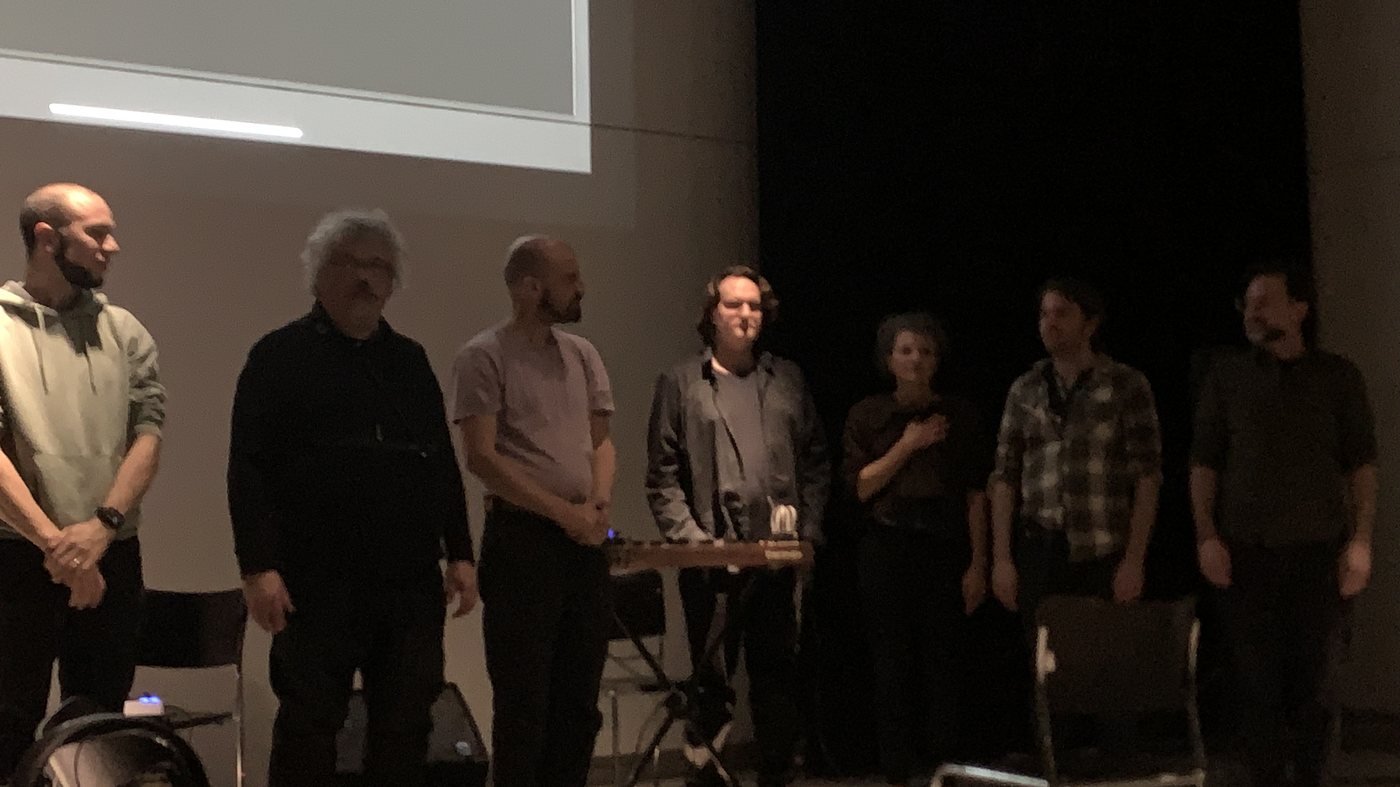
Francis Petter (Switzerland) · Lukas Mantel (Switzerland) · Luca Magni (Italy) · Frantz Loriot (France) · Angela Stöcklin (Iran) · Seren Stevenson (Australia) · Luke Wilkins (Switzerland) · Diego Kohn (Argentina)
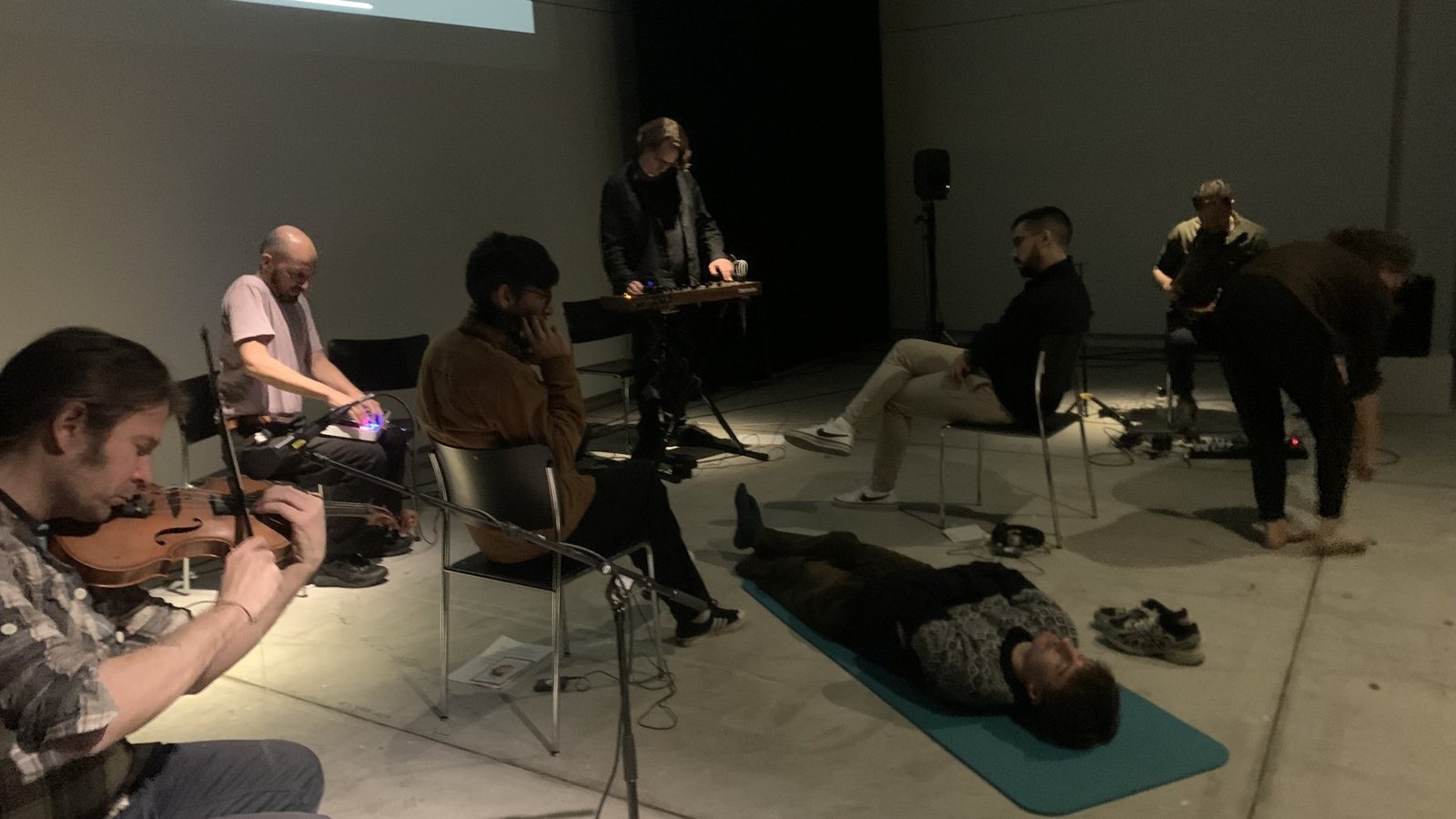
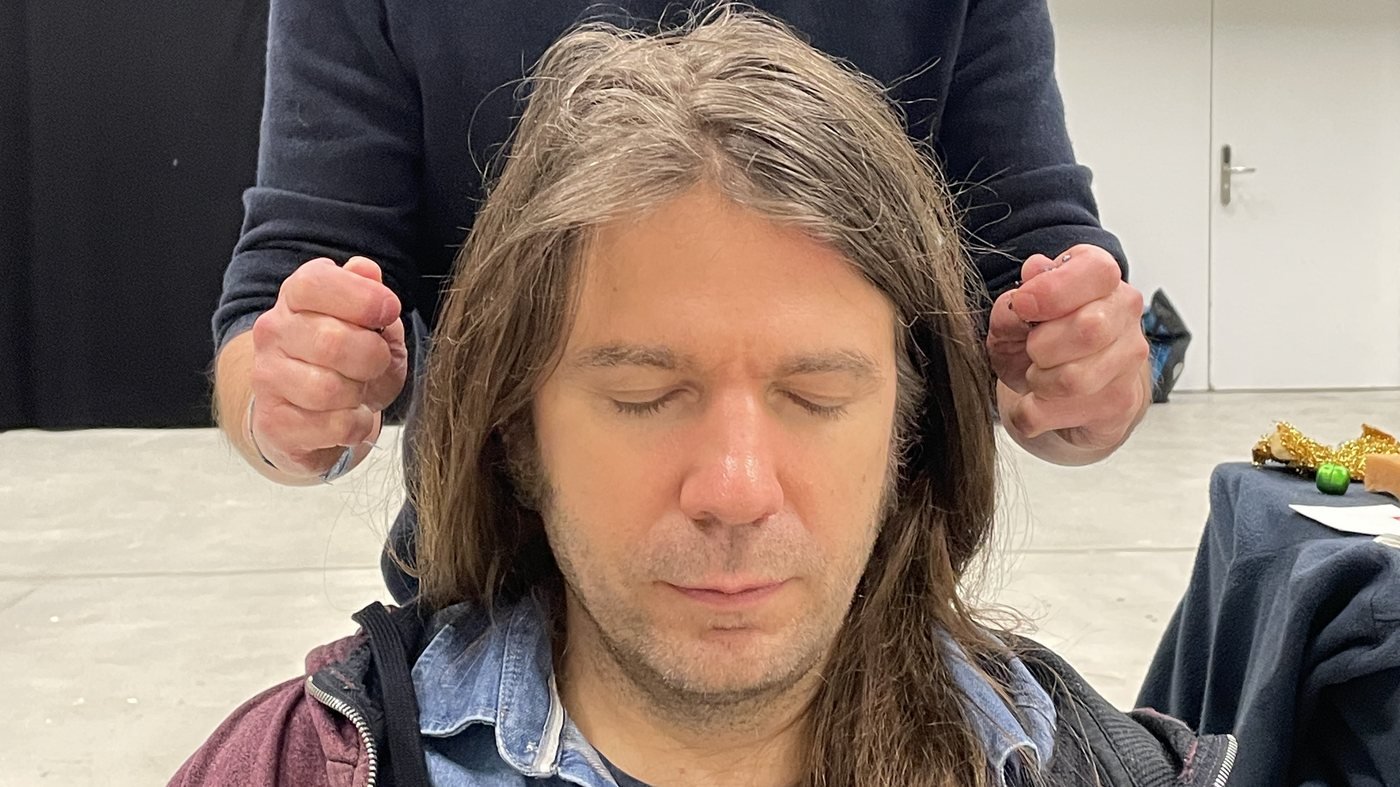
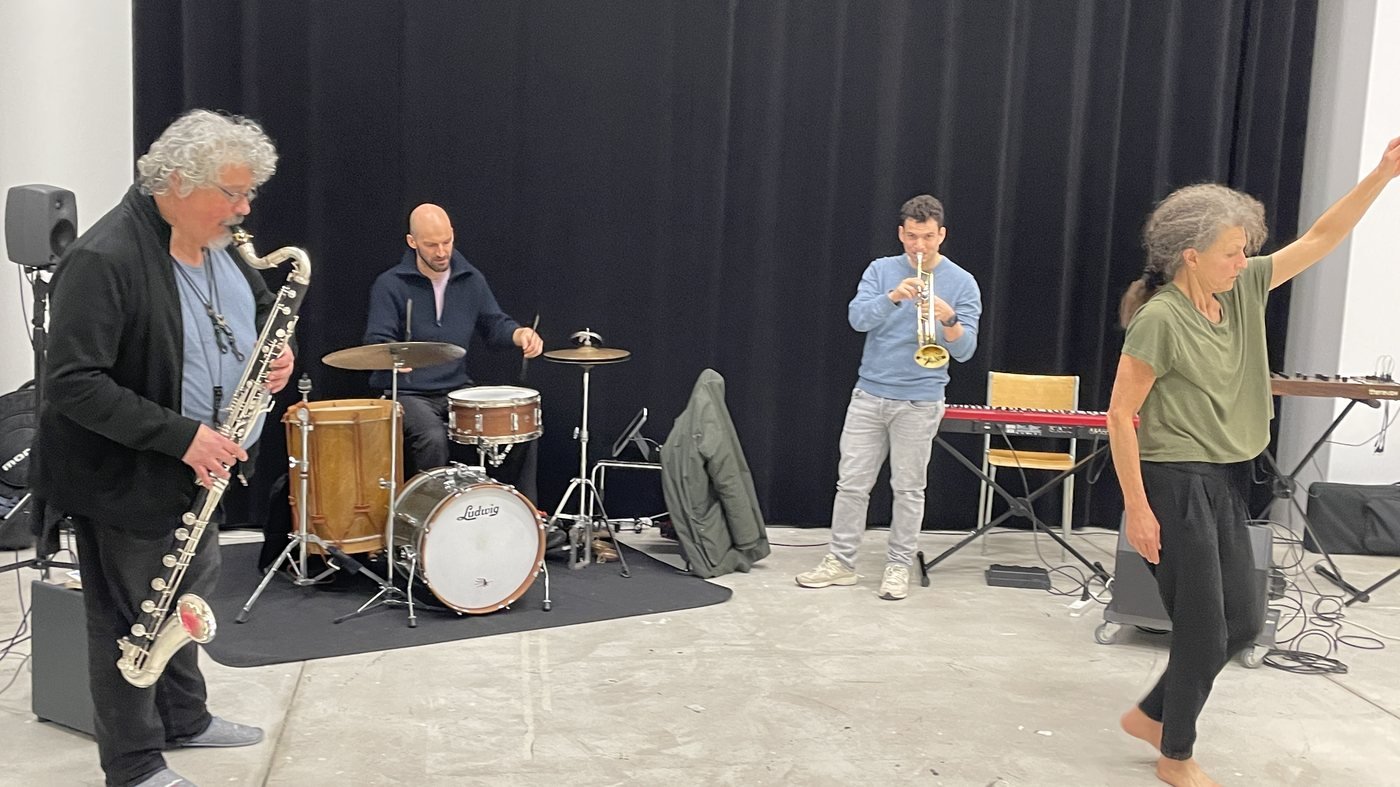
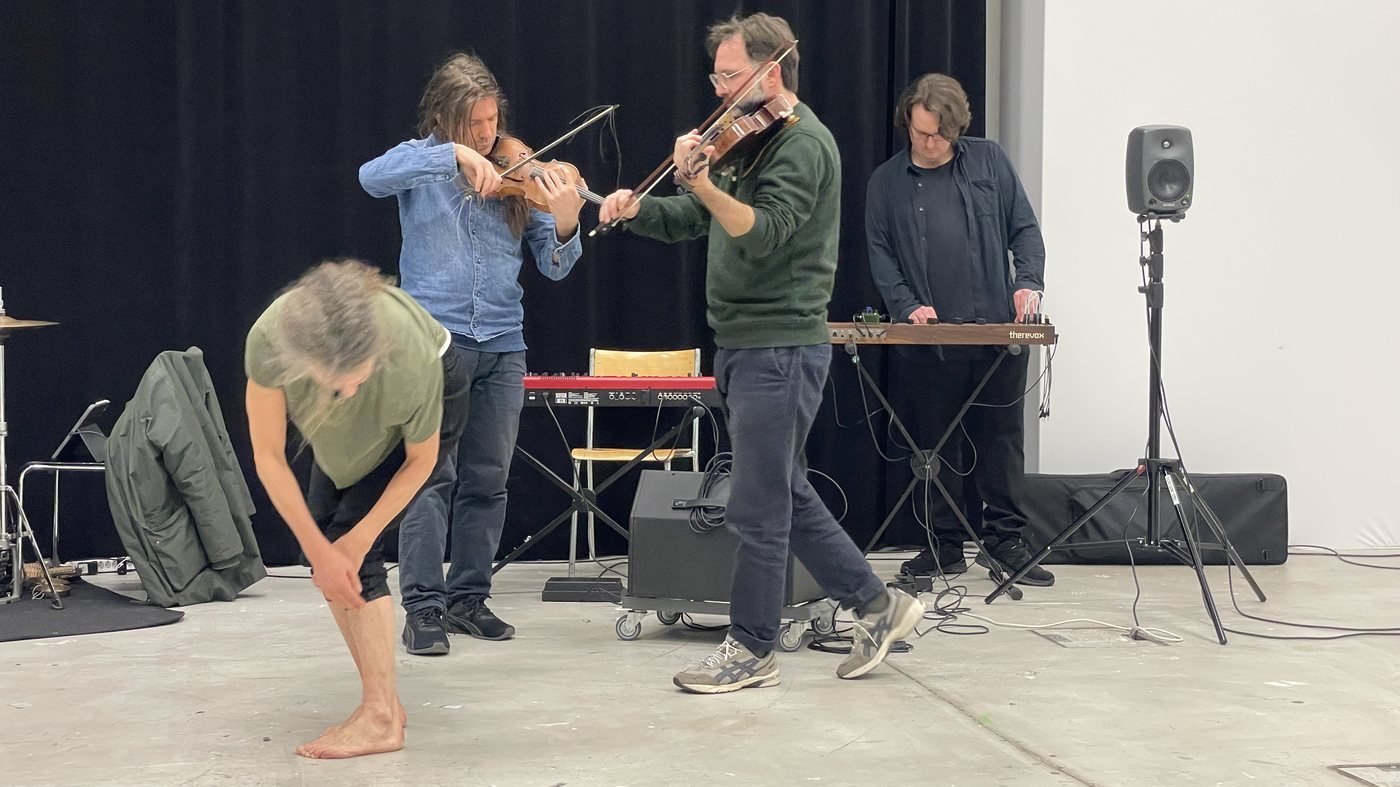
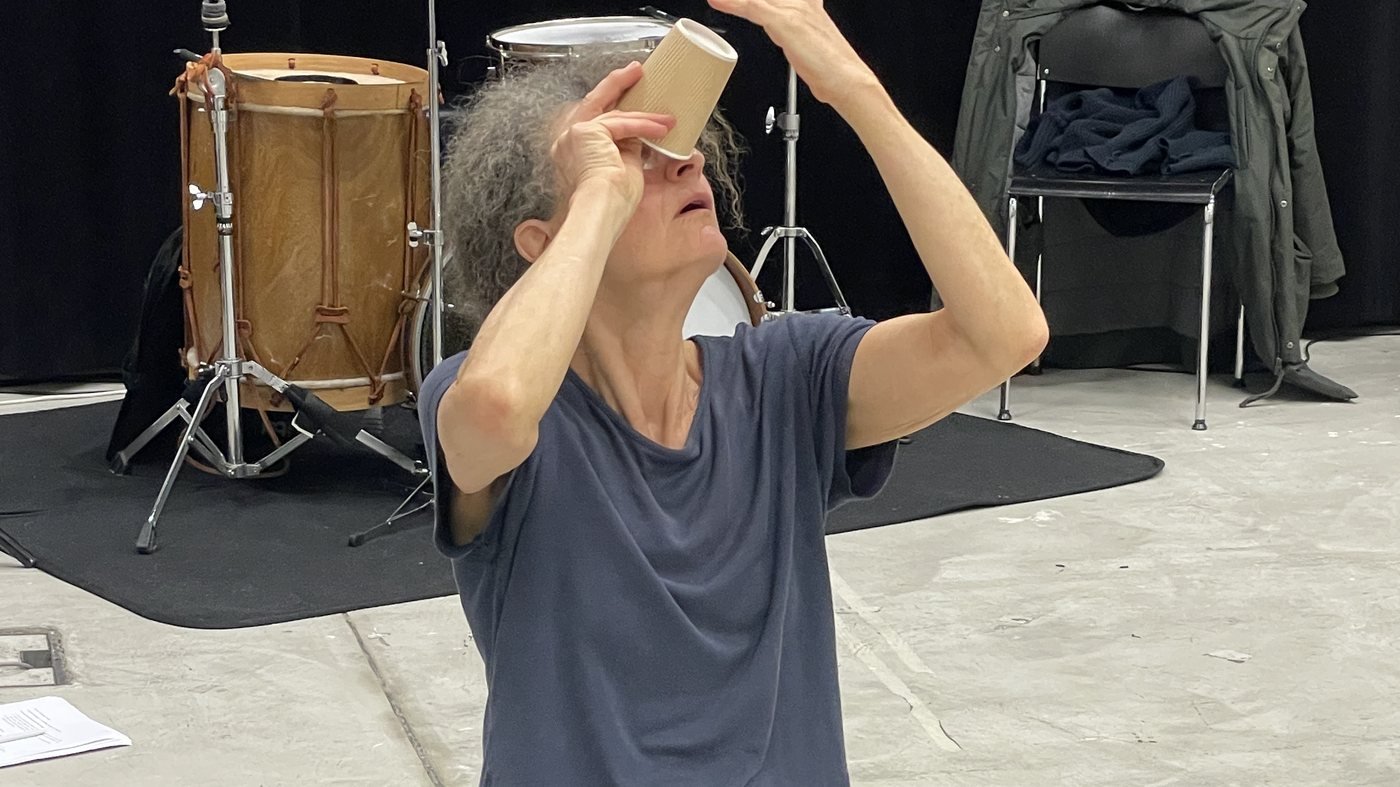
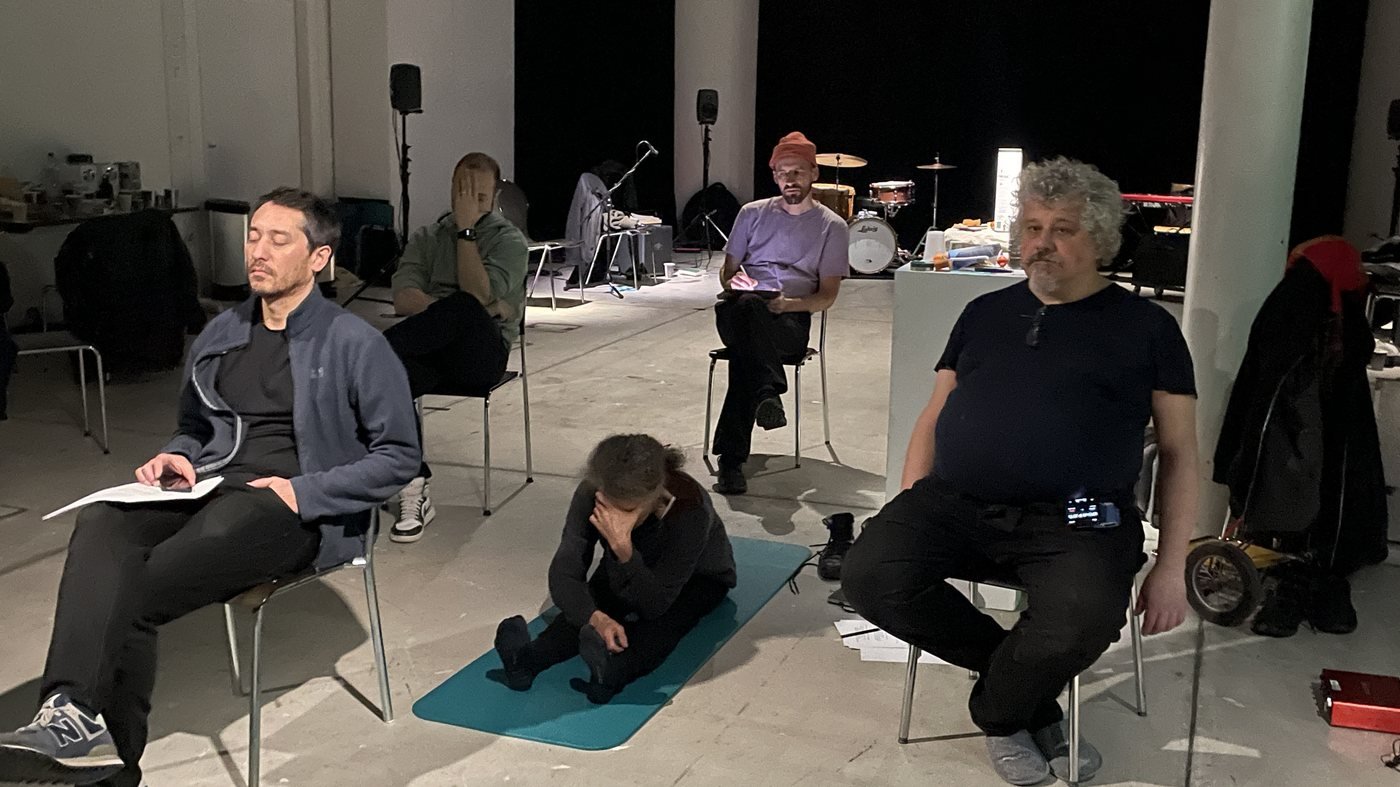
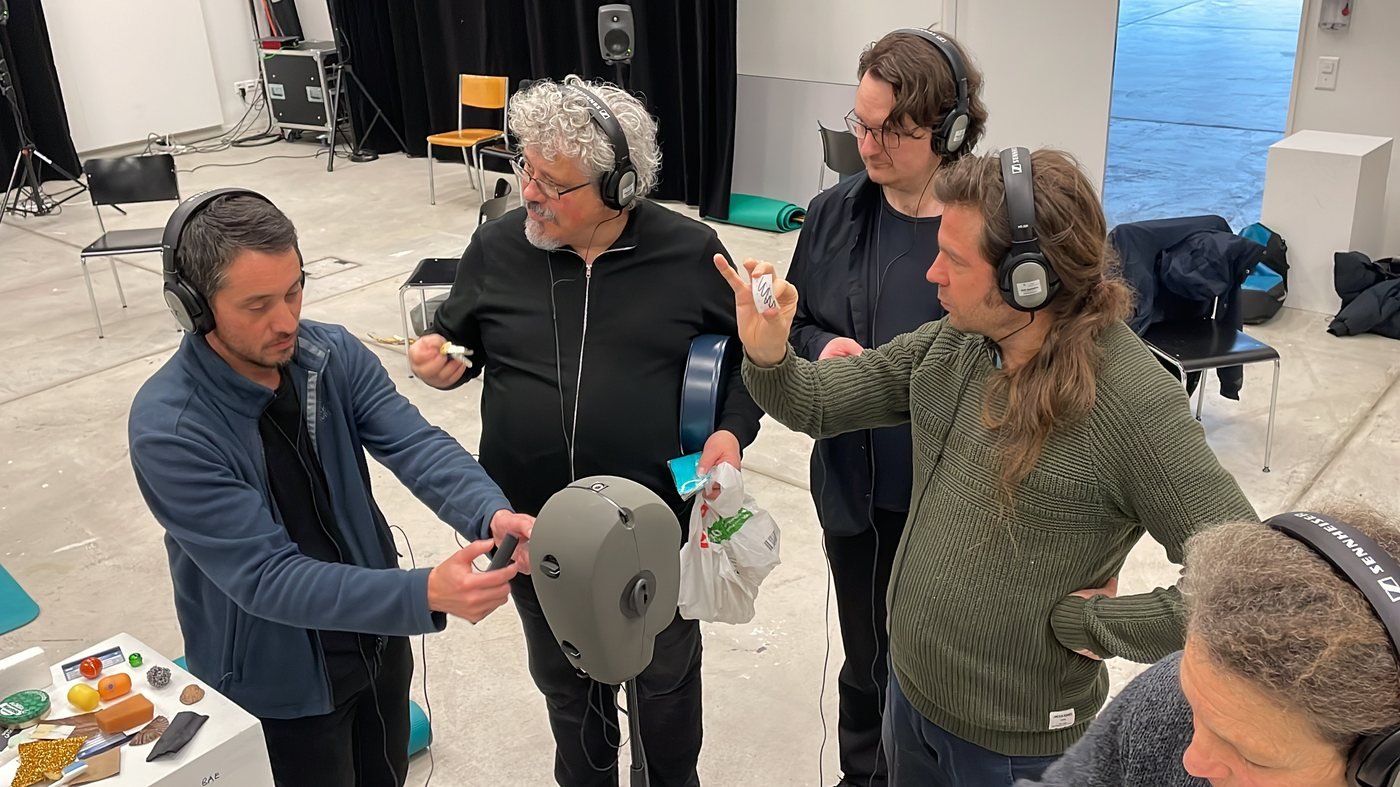
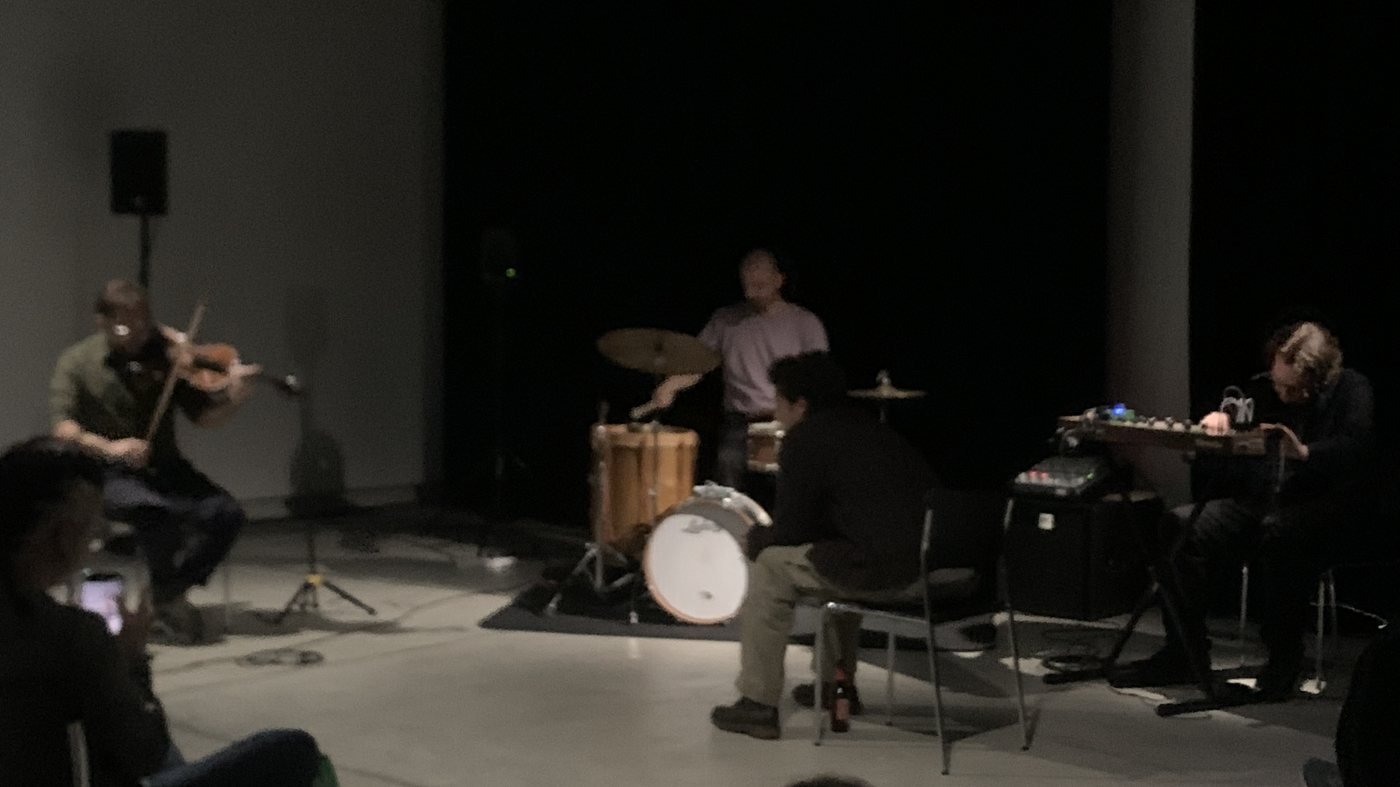
For two days, eight artists from six countries, musicians, a dancer and a sound designer, worked together in the Aktionsraum. Each day began with a physical warm-up led by Angela Stöcklin, followed by listening exercises guided by listening cards I developed, inspired by Pauline Oliveros, Marina Abramović and Haytham El-Wardany’s How to Disappear. Frantz Loriot led a workshop of sonic massage with everyday objects, recorded through a binaural head.
The group listened together, with long silences and conversations, to the pieces sent from Jerusalem, Tel Aviv and Bethlehem, and spoke openly about the conflict and what it raised among us. The discussions were not easy: one participant, deeply affected by recordings of protests in Israel, left after the first day.
From these sessions the group created a collective piece for the closing event.
“It was very necessary to discuss the conflict which it raised amongst some of us. What really impressed me in this discussion was the amount of space and calm the musicians gave. There was really a great amount of true listening happening there.”
Angela Stöcklin, participant
Sounds sent from afar
SEDEK (Jerusalem): Momentary Reflection, for fixed media and live performers (25′). Recordings made by each member in different places in Israel: a Jerusalem street on the eve of Yom Kippur, sprinklers in a garden, a dog answering jackals, a protest in Tel Aviv calling for the return of the hostages, glass bottles breaking at a recycling plant in Haifa. A text score invites the performers to answer this soundscape. Maya Pennington, Tamir Friedrich, Tom Klein, Gidon Levy, Ilan Barkani.
Students of the Music and Technology Program, Bar-Ilan University (Tel Aviv), mentored by Prof. Shai Cohen: Calling OUT (j. gaychmann), 24H Train (Guy Ashraf), Peace of Mind (Shani Berger), The Well-Tempered Sink (Yehuda Massas).
Bethlehem: a sound work recorded in the streets of Bethlehem by an artist of a Palestinian collective was also part of the project and was heard during the residency. For personal reasons, the artist chose to remain anonymous.
“We believe that the practice of active listening is a skill that can and should be cultivated, practiced, and deepened. Its application is essential for understanding each other’s pain, losses, hopes, and struggles.”
SEDEK, programme note for Momentary Reflection
A listening event
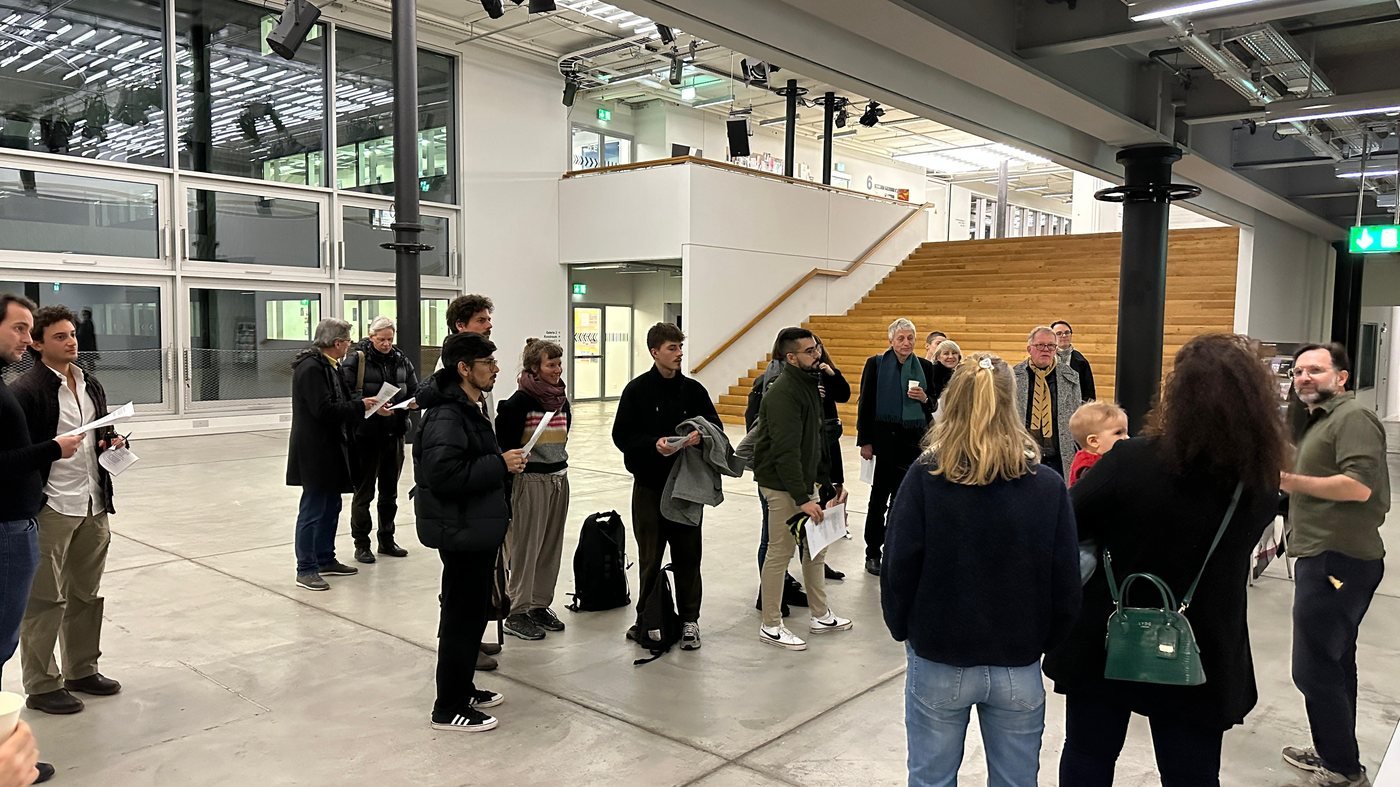
On 4 January 2025 the residency opened to the public, not as a concert but as a listening event of about ninety minutes. There were no fixed seats. Visitors walked through the space, lay down, used headphones, and picked up listening cards with small instructions for attention. Field recordings from Israel met live performance, everyday objects and silence. At the end, each visitor wrote a reflection on a card titled The Echo of Identities.
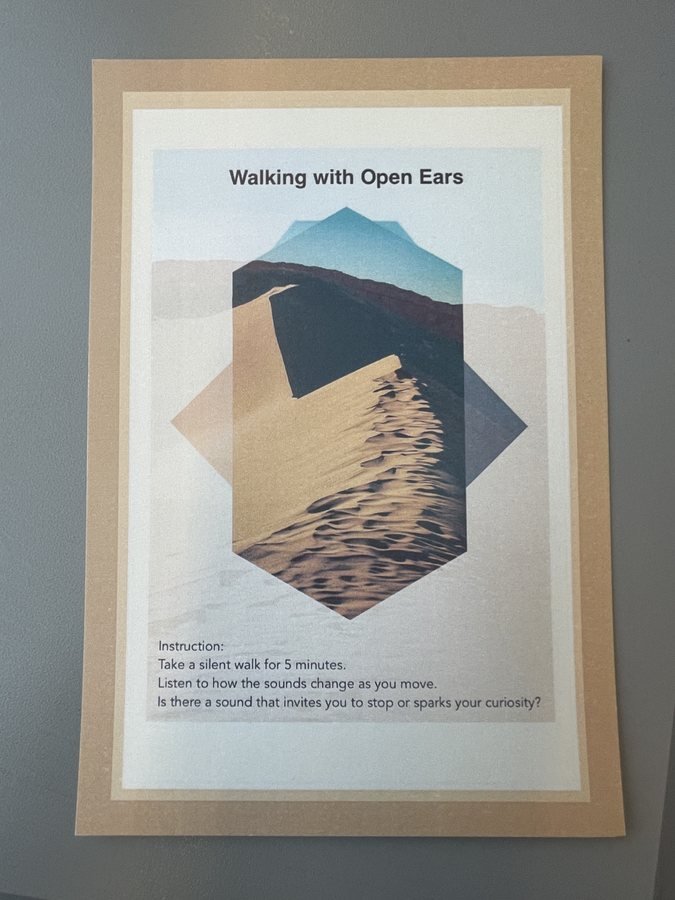
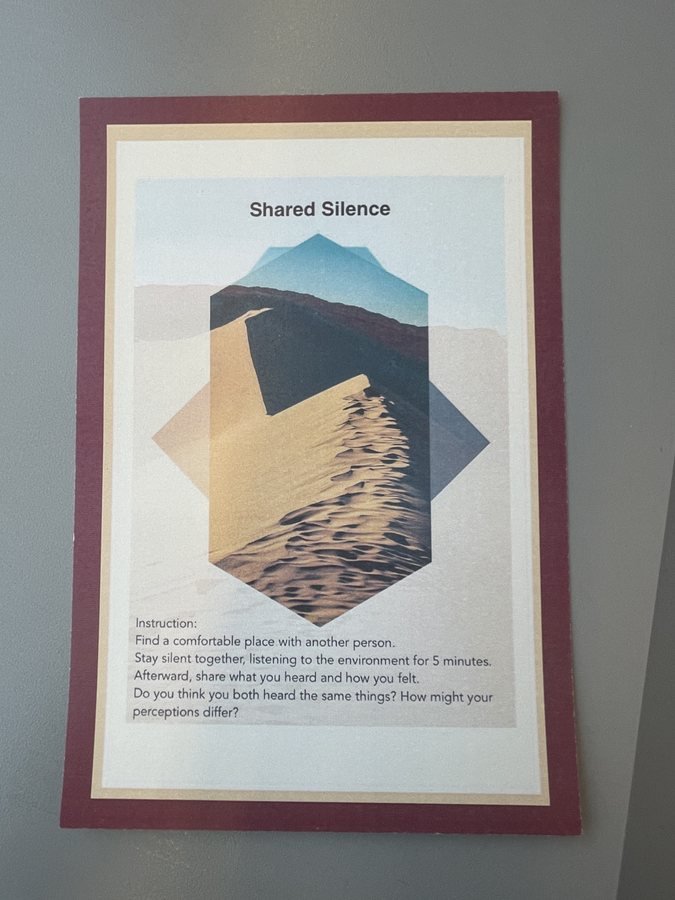
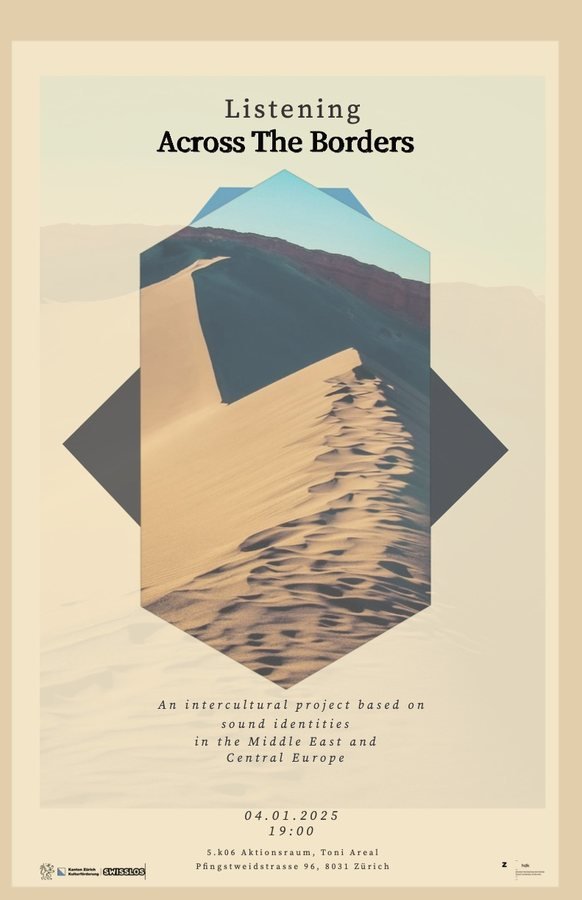
Listening cards and poster
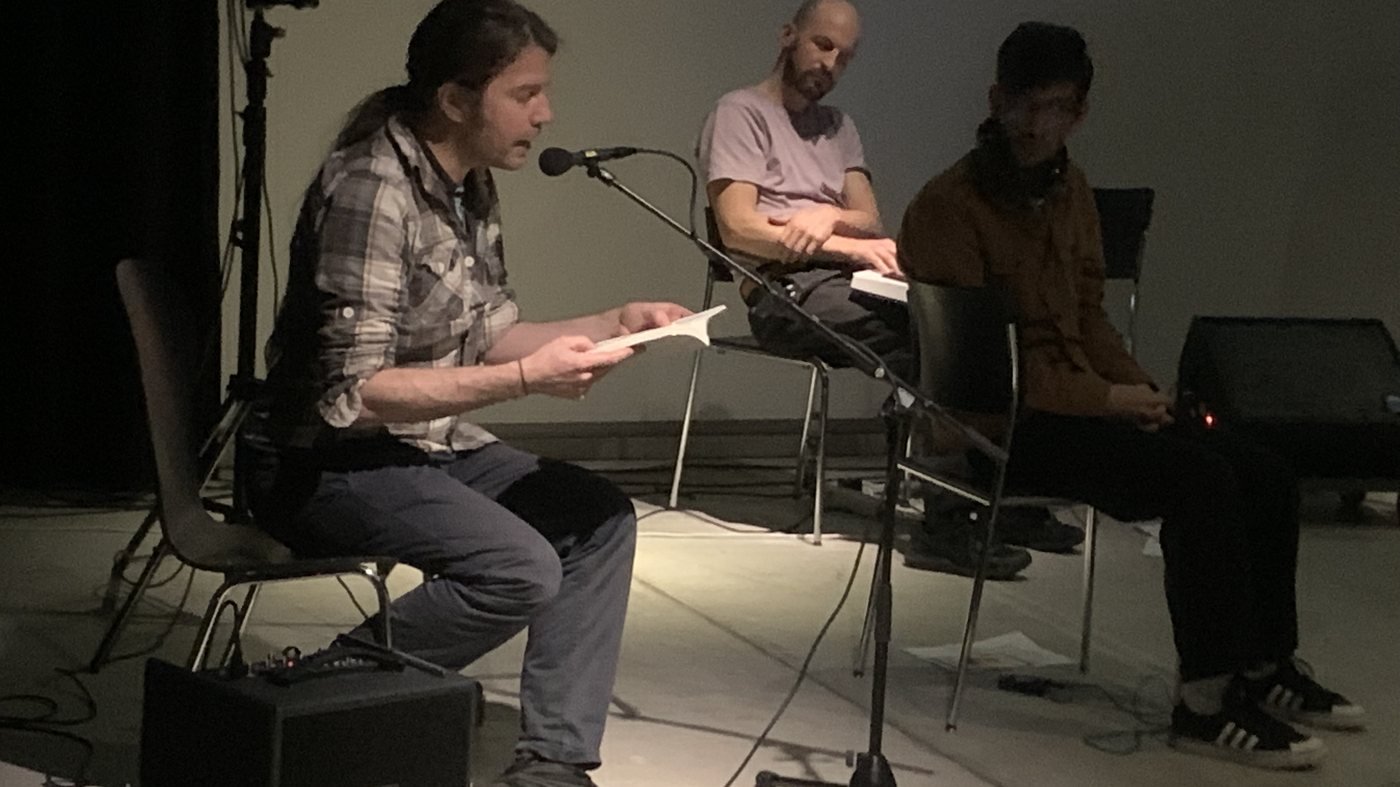
Voices
“Since then, I have found myself ‘turning on’ this active listening all over the place.”
Seren Stevenson, participant
“Maybe listening connects more than wanting to be heard?”
Angela Stöcklin, participant
“Participating in this project deepened my understanding of listening as an active, empathetic practice.”
Shai Cohen, Bar-Ilan University
Credits
- Concept, artistic direction, production
- Diego Kohn
- Residency artists
- Francis Petter, Lukas Mantel, Frantz Loriot (workshop), Angela Stöcklin (movement), Seren Stevenson, Luke Wilkins, Diego Kohn; Luca Magni (sound design)
- Remote contributions
- SEDEK (Jerusalem); students of the Music and Technology Program, Bar-Ilan University (Tel Aviv), with Prof. Shai Cohen
- Organised by
- Verein Galut, Zurich
- Supported by
- Kanton Zürich, Fachstelle Kultur · Kanton Zürich, Fachstelle Integration · ZHdK Dossier Internationales
- Thanks
- Artlink, Bern, and the many artists and colleagues who shared their time in conversations during the preparation
- Photos
- Diego Kohn
- Afterwards
- Talk on the project at the ELIA Dialogue Series, 2025